
Spring is here! The nicer weather and longer days naturally inspire us to get out and ride more, but how do we make the most of it?
Take time to take stock, refocus and advance, pedal rev by pedal rev to your season goals…
Here are a few tips to help you on the way;
Let there be light!
 It’s springtime, the clocks have gone forward so we have more light in the evenings. Use it! Now is the perfect opportunity to get in an extra ride or two mid-week to build your fitness.
Beware that it’s all too easy to suddenly up your training but this will only lead to excessive fatigue – then you are more likely to miss training sessions completely. Start off gently and increase your training time gradually over the weeks.
After a long day at work it can be hard to get yourself moving, so try arranging evening rides with friends to help get you out on your bike regularly and enjoy those lighter spring evenings.
Spring Clean
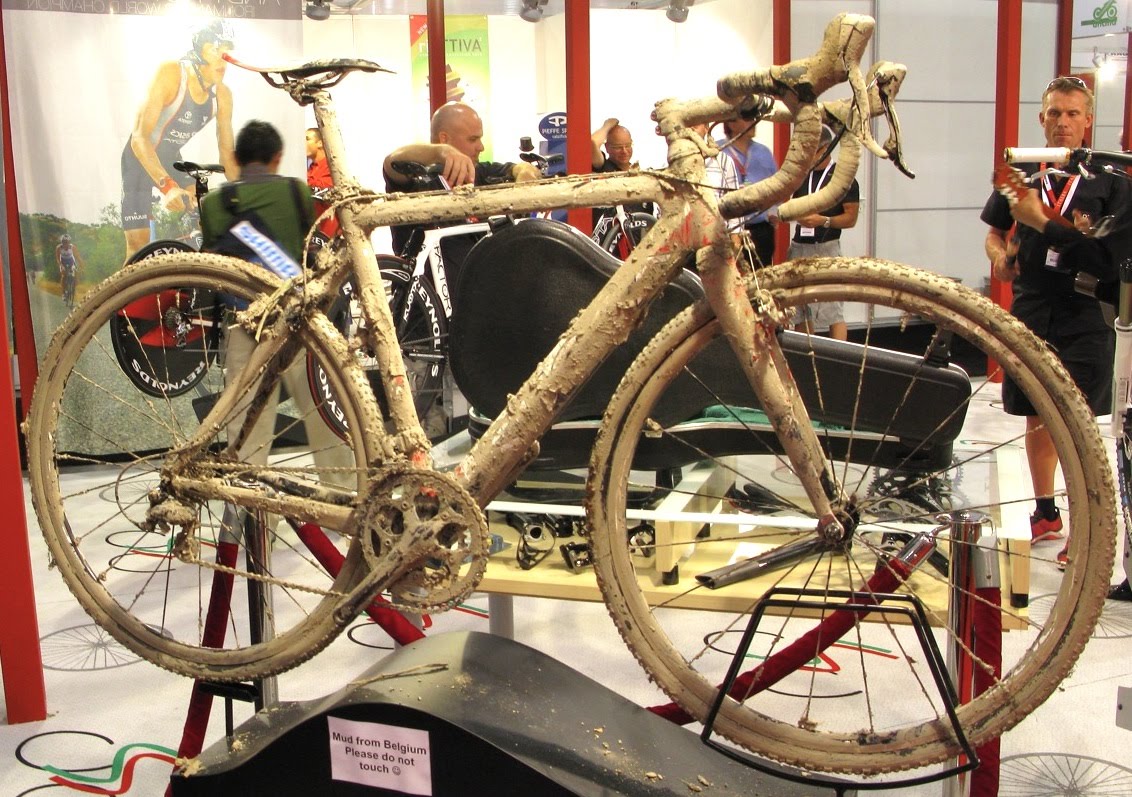
Make sure your bikes and equipment are all ready for training through the spring. After a winter of abuse it’s important to check your tyres, your chain and cassette, brake and gear cables, brake blocks etc. You may need to replace some or all of these. It’s better to do it now than to find out they don’t work properly on a long training ride, or even more worryingly a race or event – slipping gears or a broken chain could put paid to months of dedicated training in an instant. If you’ve been saving your ‘best bike’ in the garage all winter, don’t forget to check that over too before it sees the light of day.
Take Stock
You’ve trained through winter with your goals in mind and now you’re entering a new phase with more time to train, what with the lighter evenings and all. It’s time to take stock.
Check your progress on the way to your goals. Analyse results from early races or events, or redo fitness tests, such as an FTP test.
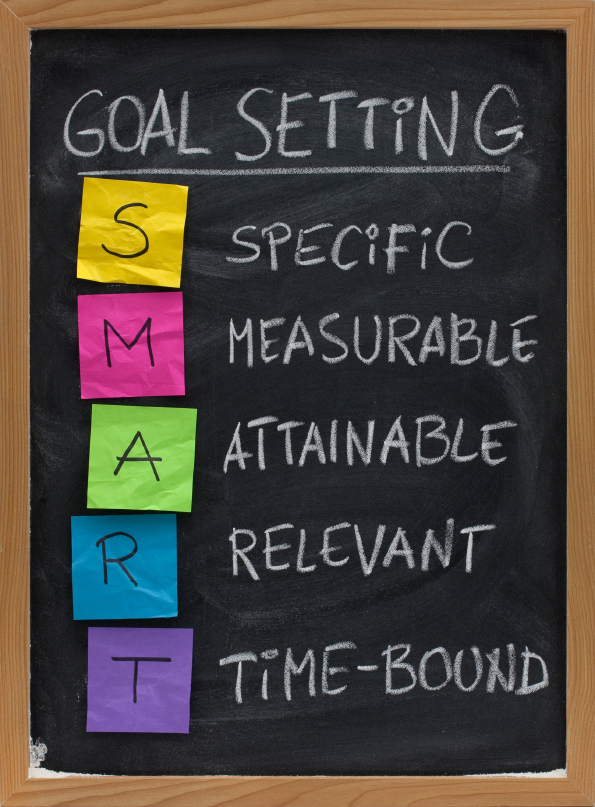
Armed with this knowledge of your current state of fitness, your strengths and weaknesses in relation to your goals, revisit your long term plan. Target the areas you still need to work most on, whilst maintaining the aspects of fitness you’re already strong in. Break your long term goal into a series of shorter ones so that you can keep on track more easily. Working in manageable chinks on short term goals will also help to keep you focused and motivated when your big event is still months away.
Focus on Limiters
 Once you have looked at your progress so far towards your goals you will need to reshape your plans in order to ensure that you achieve your major goal for the year. With your long term plan in place and your goals broken down into shorter manageable chunks it’s time to work on the details. You’ve analysed your strengths and weaknesses, now think of these in terms of limiters. What is limiting you from reaching your goal? For instance climbing may be a weakness, but if your goal is a to get a PB in a 10 mile Time Trial, climbing may well be a weakness, but it is not a limiter! In this case spending valuable training time working on climbing is time wasted and is potentially counter productive. Work more on your limiters. Always think in relation to your specific goals. Target those areas that will bring about the biggest improvements – Train Smart!
Camp it Up!
Spring is the best time of year to think about a training camp. Concentrating entirely on your cycling for 4 days, a week or even two can bring about massive gains in fitness. Not only do you ride more than usual, but you rest and recover more, looking after your nutrition and hydration without the usual distractions of every day life. Increase your training load by just the right amount, complimented by the correct nutrition, hydration and recovery and you’ll come back from your training camp stronger than ever. Your body, having assimilated that extra work, will be able to support more intense training to take you on to new heights of fitness.
 Training camps are not just for pro’s, but go to the right training camp and you’ll feel like one! Or why not organise one yourself? If you want a more relaxed experience which is part training, part holiday, then this could be the right choice for you. Bear in mind though, that just because you can train all day every day, it doesn’t mean that you should. By riding more than usual you overload your body, so it’s really important to look after your recovery too and get the balance right. Yes, you want to get more miles in than usual, but you don’t want to run yourself into the ground! Get it right and your fitness will come in leaps and bounds – get it wrong and you’ll end up overtraining and put your training back weeks. This is where an organised training camp with coaching support will help you to maximise your gains.
Another option is the stay at home camp. Take time out to concentrate on your cycling – just as you would on a training camp. Take a long weekend off work. Ride back to back for 4 days. Turn off the phone, ignore the emails. Eat, drink, ride, and sleep cycling and nothing else. A few days ‘mini camp’ staying away or even based at home can give a massive boost to your fitness.
Cycling holiday, mini camp, self organised or full on coach supported training camp, you can’t beat that combination of training overload, nutrition, hydration and recovery in taking your fitness to the next level.
Dress Rehearsal If you’re training with one major goal in mind there is no better way to prepare than to run through a full dress rehearsal. Choose an event or plan your own ride that mimics the characteristics of your major goal as closely as possible, in terms of distance, terrain etc. Make sure you ride the same bike, wear and carry the same kit, spares etc. In short try out everything before the big day.
Use the opportunity to learn as much as possible, about your fitness, your physical and mental strengths and weaknesses, your gearing and choice of equipment, such as tyres and pressures, your nutrition and hydration and all sorts of other things that you won’t even consider until you’re in the situation. Forgetting something or choosing the wrong item, food or drink now might be irritating, but you have time to put it right. You don’t want to end up stranded on the big day realising what you’ve forgotten, or suffering from stomach problems because you tried a new gel someone recommended that doesn’t suit you. Plan and trial everything, down to the last detail.
Hold your dress rehearsal well in advance to give you time to work on any area of your performance that is lacking, or to find and try alternative foods, drinks or equipment. Make a comprehensive kit list of everything you need to take with you for the big event – and I do mean absolutely everything. Don’t be like the rider who packed his car and only realised hundreds of miles away from home that he’d forgotten his front wheel! (true story!). In the words of the cub scout motto ‘ Be Prepared!’
I hope you enjoyed this series of tips – keep an eye out for more on facebook, twitter and here on the website


